The Gottman Method-Building Strong Healthy Relationships
The Gottman Method can help couples

Identify Strengths
Build Healthy Habits
Create Strong Foundations
Relationships naturally experience challenges.
The goal isn't to eliminate disagreements. Healthy couples disagree. The goal is learning how to navigate those disagreements in ways that strengthen rather than damage the relationship.
At Ele-Mental Healing, we believe healthy relationships are built through understanding, trust, respect, and intentional connection. The Gottman Method provides practical tools and proven strategies to help couples reconnect, communicate more effectively, and grow together.

The Gottman Method offers a roadmap for building a healthier and more satisfying partnership.
Stress, misunderstandings, life changes, parenting demands, work pressures, and past hurts can all create distance between partners.
The Gottman Method may help with:
Communication difficulties
Frequent arguments
Emotional disconnection
Trust concerns
Life transitions
Parenting stress
Blended family challenges
Premarital counseling
Intimacy concerns
Relationship maintenance and growth


During the therapy process, we may explore:
Communication patterns
Conflict cycles
Relationship strengths
Areas of disconnection
Trust and intimacy concerns
Family dynamics
Shared goals and values
Together, we'll identify patterns that may be creating stress and develop practical tools to improve communication, connection, and relationship satisfaction.
What is The Gottman Method?
The Gottman Method is a research-based approach to couples therapy developed by John Gottman and Julie Schwartz Gottman. Built on decades of relationship research, The Gottman Method helps couples strengthen their friendship, improve communication, navigate conflict more effectively, and deepen emotional connection.
The Gottman Method is built around what is often called the "Sound Relationship House," a framework that identifies the key components of healthy relationships.
The Seven Principles of Satisfied and Healthy Relationships
Healthy relationships don't happen by accident. They are built through intentional connection, mutual respect, and daily interactions that strengthen trust and understanding over time.
Build Love Maps
Love Maps refer to how well partners know one another's inner world.
Examples include:
Knowing your partner's current stressors
Understanding their hopes and dreams
Being aware of important relationships in their life
Knowing what brings them joy, excitement, or concern
Understanding their values, interests, and goals
Staying curious about their personal growth
Strong relationships are built on ongoing curiosity and connection. Enhancing your Love Maps means asking questions, staying interested, and continuing to learn about your partner—not just who they were when you met, but who they are becoming.

Turn Toward Each Other Instead of Away
Throughout the day, partners make small "bids" for connection. A bid may be a question, a comment, a touch, a joke, a request for help, or simply sharing a moment together.
When partners consistently respond to these bids, trust and emotional intimacy grow. Turning away or missing these opportunities repeatedly can gradually create feelings of loneliness and disconnection.
Examples include:
Looking up when your partner speaks
Responding when they share something important
Offering comfort during stress
Sharing excitement when something good happens
Showing interest in their experiences
Healthy relationships are often built in these small everyday moments.

Solve Your Solvable Problems
Not every disagreement is deeply rooted. Many relationship conflicts involve practical issues that can be addressed through communication and problem-solving skills.
The Gottman Method teaches couples how to approach these conversations respectfully and effectively. The goal is not to win arguments but to understand one another more deeply.
Key skills include:
Using gentle start-ups
Listening without interrupting
Taking responsibility for your role
Looking for compromise
Repairing misunderstandings quickly
When couples learn to address solvable problems effectively, they free up emotional energy for deeper connection.

Create Shared Meaning
Healthy relationships are about more than avoiding conflict. They are also about creating a life together. Shared meaning comes from developing a sense of purpose, values, traditions, goals, and rituals that strengthen the relationship.
Creating shared meaning helps couples feel like they are building something important together.
Shared meaning may include:
Family traditions
Spiritual beliefs
Shared goals
Celebrations and rituals
Common values
Dreams for the future
Couples who intentionally create shared meaning often feel more connected, resilient, and fulfilled.

Nurture Your Fondness and Admiration
Every healthy relationship needs a strong foundation of appreciation and respect. Over time, stress, conflict, and daily responsibilities can cause couples to focus more on frustrations than strengths. When this happens, emotional distance often grows.
Nurturing fondness and admiration means intentionally recognizing the positive qualities in your partner and expressing appreciation for who they are and what they contribute to the relationship.
Examples include:
Saying thank you for everyday acts of kindness
Complimenting your partner
Remembering positive memories together
Acknowledging efforts and accomplishments
Expressing appreciation regularly
Small moments of appreciation often create powerful relationship benefits over time. Couples who regularly express gratitude tend to feel more connected and resilient during difficult times.

Let Your Partner Influence You
Strong relationships are partnerships, not power struggles.
This principle involves being open to your partner's ideas, perspectives, needs, and feelings. It requires flexibility, respect, and a willingness to consider one another's influence when making decisions.
When both partners feel heard and valued, cooperation increases and resentment decreases.
Healthy influence looks like:
Listening with curiosity
Seeking compromise
Respecting differences
Making decisions together
Valuing each other's perspectives
This does not mean giving up your opinions or needs. It means creating space for both voices to matter.

Overcome Gridlock
Some conflicts seem to repeat endlessly. These are called gridlocked issues. Gridlock usually occurs when a disagreement is connected to deeper values, dreams, fears, needs, or life experiences.
They aren’t trying to solve the issue completely. Instead, couples learn how to understand the meaning behind each person's position and create dialogue around those deeper needs. Many recurring conflicts become more manageable when partners feel heard and understood.
Examples of gridlocked issues may involve:
Parenting styles
Financial priorities
Family boundaries
Career decisions
Lifestyle preferences
Personal values
Through empathy and understanding, couples can move from feeling stuck to feeling connected.

By strengthening friendship, improving communication, increasing appreciation, and learning healthier conflict-management skills, couples can create a relationship that feels safer, more supportive, and more deeply connected over time.
The Four Horsemen of the Apocalypse
One of the most well-known concepts in The Gottman Method is the identification of four communication patterns that can be particularly damaging to relationships when they become chronic. Recognizing these patterns is the first step toward replacing them with healthier forms of communication.

Criticism
Criticism goes beyond expressing a complaint or concern. It involves attacking a partner's character rather than addressing a specific behavior. Criticism often sounds like blame.
Examples:
"You never help around the house."
"You're always so selfish."
"Why are you so lazy?"
Over time, criticism can leave a partner feeling attacked, rejected, or inadequate.
The Antidote: Gentle Start-Up
Focus on expressing your feelings and needs without blaming.

Defensiveness
Defensiveness occurs when a person feels accused and responds by making excuses, denying responsibility, or shifting blame. While defensiveness is a natural reaction, it often escalates conflict rather than resolving it.
Examples:
"It's not my fault."
"You're the one who does that."
"I wouldn't have reacted that way if you hadn't..."
Defensiveness prevents productive problem-solving because neither partner feels heard.
The Antidote: Take Responsibility
Even acknowledging a small part of the problem can reduce tension and open the door to understanding.

Contempt
Contempt is considered the most destructive of the Four Horsemen because it communicates superiority, disrespect, disgust, or disdain.
Contempt can show up through:
Sarcasm
Eye-rolling
Mocking
Name-calling
Belittling
Hostile humor
Contempt erodes trust, safety, and emotional connection.
The Antidote: Build a Culture of Appreciation and Respect
Regularly expressing gratitude, admiration, and appreciation helps protect relationships from contempt. Couples who actively notice what's going right are often better equipped to navigate what goes wrong.
Stonewalling
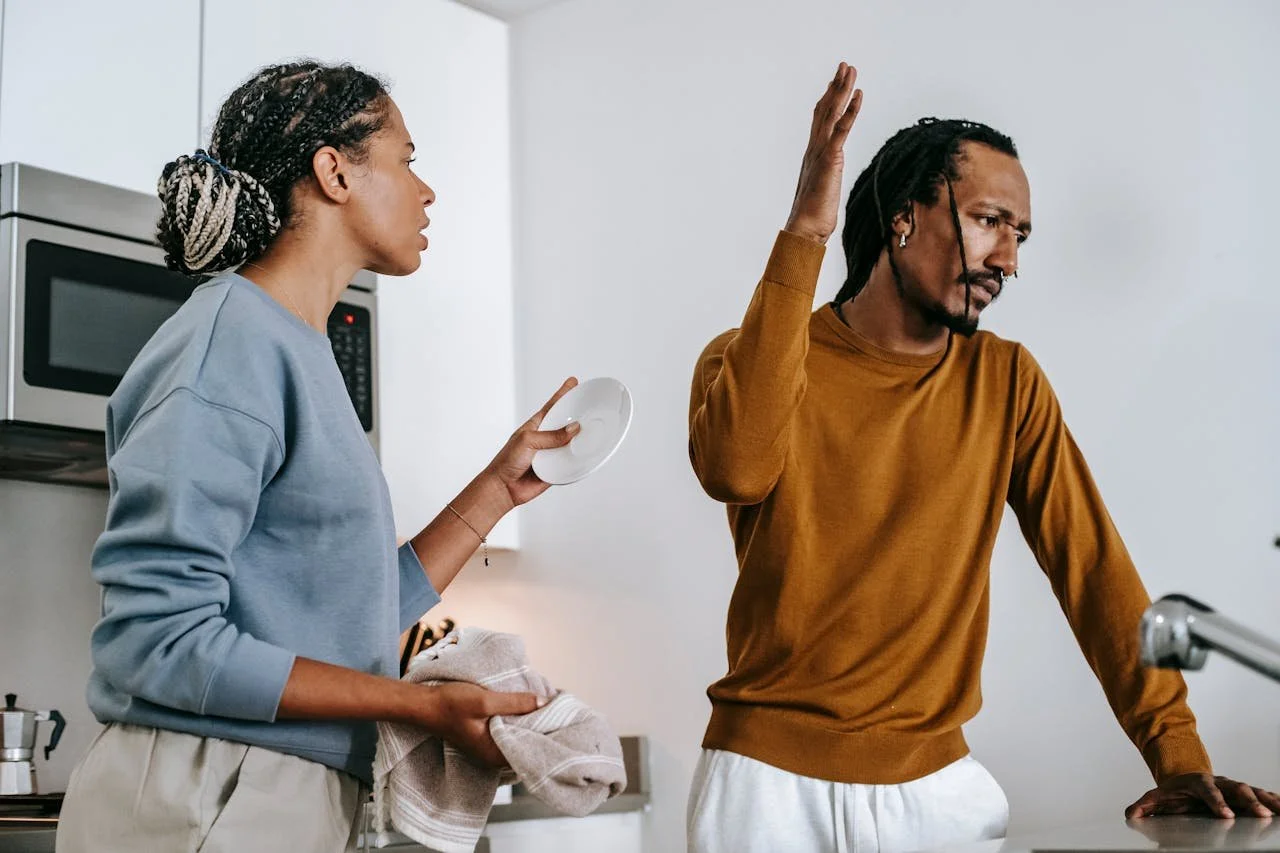
Stonewalling occurs when someone becomes emotionally overwhelmed and shuts down during conflict.
Stonewalling is often not intentional rejection—it is frequently a sign that a person is physiologically flooded and unable to process information effectively.
Signs of Stonewalling:
Silence
Withdrawal
Minimal responses
Avoiding interaction
Emotional shutdown
The Antidote: Self-Soothing and Taking a Break
When emotions become overwhelming, it can be helpful to pause the conversation and return once both partners are calmer.
Healthy relationships are not built on perfection. They are built on awareness, intention, and the willingness to keep turning toward one another, even during life's challenges.
What Can I Expect From Learning The Gottman Method with EleMental Healing?
-
No. While it can be highly effective for couples experiencing challenges, it is also beneficial for couples who want to strengthen their relationship, improve communication, or deepen emotional connection.
-
In most cases, couples therapy is most effective when all partners participate. However, individual sessions may occasionally be incorporated as part of the therapeutic process.
-
Yes. The Gottman Method provides tools that help couples strengthen communication, increase emotional safety, and rebuild trust through consistent actions and healthy relationship habits.
-
This is one of the most common fears couples have before starting therapy. Gottman Method therapy is highly structured and skill-focused. While difficult conversations may happen, sessions are not designed to be unproductive arguments.
Instead, you'll learn practical tools for communicating, listening, managing conflict, repairing misunderstandings, and strengthening connection. Your therapist helps guide the conversation, ensuring both partners have a voice while keeping the discussion productive and focused on growth.
Many couples are surprised to discover that therapy becomes one of the first places where they truly feel heard by one another.
-
Strong emotions are a normal part of relationships, especially when discussing topics that feel important, painful, or unresolved. As your therapist, I help create a safe and respectful environment where both partners have the opportunity to feel heard and understood.
If emotions become overwhelming, we may slow the conversation down, practice emotional regulation skills, identify underlying needs, or explore what is happening beneath the surface of the conflict. The focus is not on determining who is right or wrong, but on helping both partners communicate more effectively and reconnect emotionally.
Learning how to navigate emotional conversations in a healthier way is one of the most valuable skills couples gain through the Gottman Method.
-
This is incredibly common and is something The Gottman Method specifically addresses. When emotions become intense, some individuals become overwhelmed and withdraw from the conversation, a pattern known as stonewalling.
Rather than viewing this as resistance, Gottman Method therapy helps couples understand what is happening physiologically and emotionally. You'll learn skills to recognize when flooding occurs, how to self-soothe, and how to return to conversations in a healthier and more productive way.
Over time, many couples find they can discuss difficult topics with less anxiety, less defensiveness, and more confidence in their ability to work through challenges together.

How Do I Know if The Gottman Method is Working?
Progress in couples therapy isn't measured by never having disagreements. It's measured by how couples communicate, repair, and reconnect when challenges arise.
You may notice The Gottman Method is working when:
Conversations feel safer
You’re listening more and defending less
Conflicts resolve more quickly
You feel more appreciative of self and the other
You feel more connected to each other
You’re recognizing each other’s needs
Trust is growing
You feel like you’re on the same team
You have more positive interactions and enjoy being with each other
Physical and emotional Intimacy is enhanced
Many couples leave therapy feeling more connected, more hopeful, and better equipped to build the relationship they truly want—one conversation, one repair, and one meaningful connection at a time.